
Color is one of the most exciting aspects of working with borosilicate glass. With its broad palette and unique reactions to heat and flame chemistry, borosilicate glass offers endless possibilities for creating vibrant, dynamic pieces. This guide will delve into how to choose, mix, and manipulate colors effectively in your lampworking projects.
Understanding Borosilicate Colors
Borosilicate glass colors can behave differently depending on factors such as flame chemistry, annealing, and layering. Here’s a breakdown of the types of colors available:
1. Opaque Colors
Opaque colors are solid and block light from passing through. These are great for bold designs and contrast but can sometimes require careful heating to avoid boiling or bubbling.
2. Transparent Colors
Transparent colors allow light to pass through, creating depth and luminosity. They’re ideal for layering or encasing and work well with sculptural pieces.
3. Striking Colors
Striking colors change hue based on heat exposure. They require controlled heating and cooling cycles to achieve the desired effect.
4. Reducing Colors
Reducing colors react to a flame with less oxygen, producing unique metallic or iridescent finishes. These require careful flame control to get consistent results.
5. Fuming-Enhanced Colors
Some colors work well with fuming, where vaporized metals like gold or silver are deposited onto the glass, creating additional color effects.

Choosing Colors for Your Project
Selecting the right colors involves considering your design goals, flame chemistry, and the behavior of the glass. Here are a few tips:
1. Start with a Plan
Sketch your design and choose a color palette before starting. Decide whether you want bold contrasts, soft gradients, or dynamic shifts in hue.
2. Test Your Colors
Create test swatches for new colors to understand how they behave in your specific torch setup and annealing cycles.
3. Use a Color Wheel
Understanding complementary, analogous, and triadic color schemes can help you create harmonious designs.
Mixing Colors in Borosilicate Glass
Mixing colors allows you to achieve custom shades and unique effects. Here’s how to do it:
1. Layering
Layering transparent colors over opaque or other transparent colors can create depth and entirely new hues.
- Example: Layering a cobalt blue transparent over an opaque white base can yield a soft, glowing effect.
2. Blending Rods
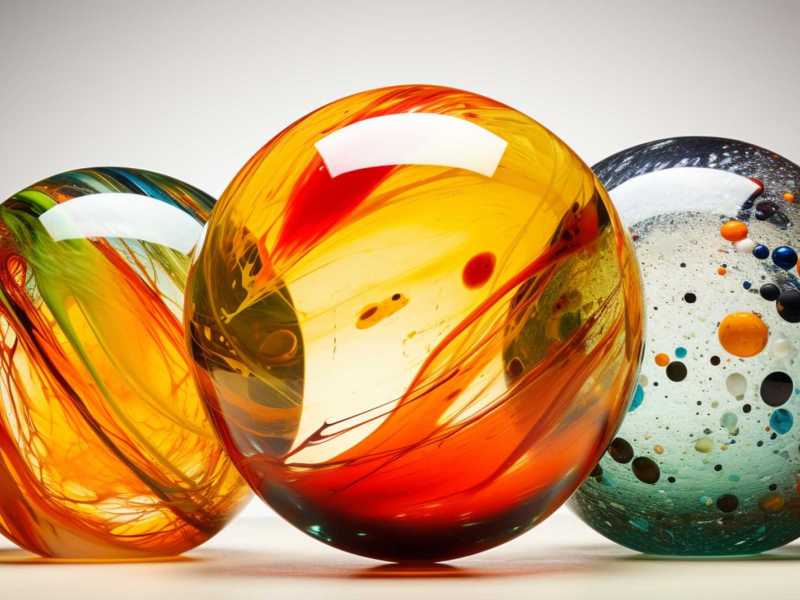
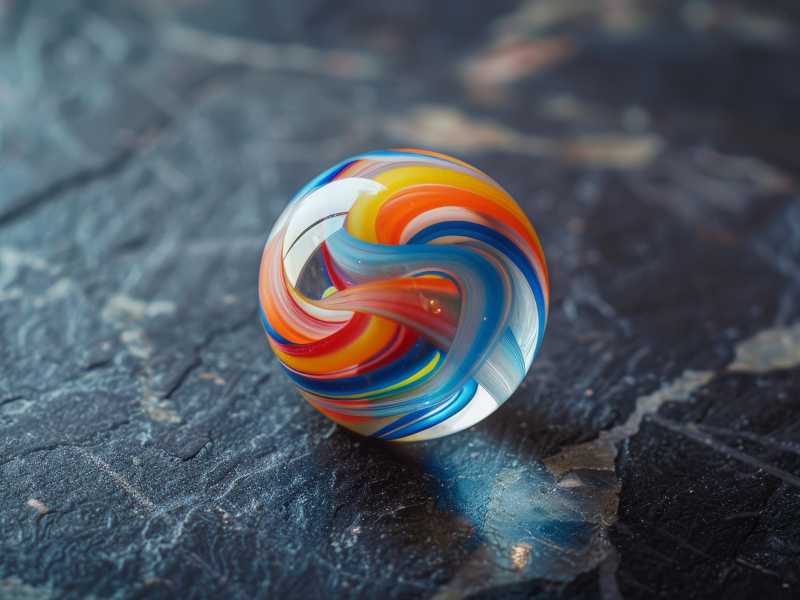
Heat two glass rods of different colors until molten, then twist and pull them together to create a blended cane. This technique is perfect for marbles, pendants, and surface decoration.
3. Using Frits and Powders
Frits (small pieces of crushed glass) and powders can be applied to the surface of hot glass to introduce texture and color variation.
- Tips:
- Roll your hot glass in frit for a speckled effect.
- Experiment with layering frits of different colors for complex patterns.
4. Encasing Colors
Encasing involves layering clear glass over a base color to enhance its depth and vibrancy. This technique is commonly used in marbles and pendants.
Managing Flame Chemistry
The flame chemistry (oxidizing, neutral, or reducing) plays a significant role in how colors develop:
1. Oxidizing Flame
- High oxygen-to-fuel ratio.
- Best for maintaining bright and consistent colors, especially transparent and striking colors.
2. Neutral Flame
- Balanced oxygen-to-fuel ratio.
- Ideal for general work and for colors that don’t require special treatment.
3. Reducing Flame
- Low oxygen-to-fuel ratio.
- Produces metallic finishes and enhances reducing colors like silver-based hues.
Troubleshooting Color Challenges
Even experienced lampworkers encounter color challenges. Here’s how to address common issues:
1. Boiling or Bubbling
- Use a cooler flame to preheat sensitive colors.
- Work farther out in the flame to prevent overheating.
2. Unwanted Color Changes
- Double-check your flame chemistry and adjust accordingly.
- Avoid overheating striking colors beyond their intended range.
3. Color Fading
- Ensure proper annealing temperatures.
- Avoid excessive reduction flames that can strip certain colors.

Expanding Your Color Skills
1. Experimentation
Set aside time to experiment with layering, blending, and fuming. Keep a notebook to document your techniques and results.
2. Take Classes
Learn advanced color techniques from experienced glass artists through workshops or online courses.
3. Study Glass Chemistry
Understanding the composition of borosilicate glass can help you predict how colors will react and interact.
Conclusion Mastering color in borosilicate glass is a journey of experimentation and discovery. By understanding how different types of colors behave, mixing them creatively, and managing your flame chemistry, you can unlock endless possibilities in your lampworking projects. Keep practicing, stay curious, and let your artistic vision guide you toward vibrant, dynamic creations.
